



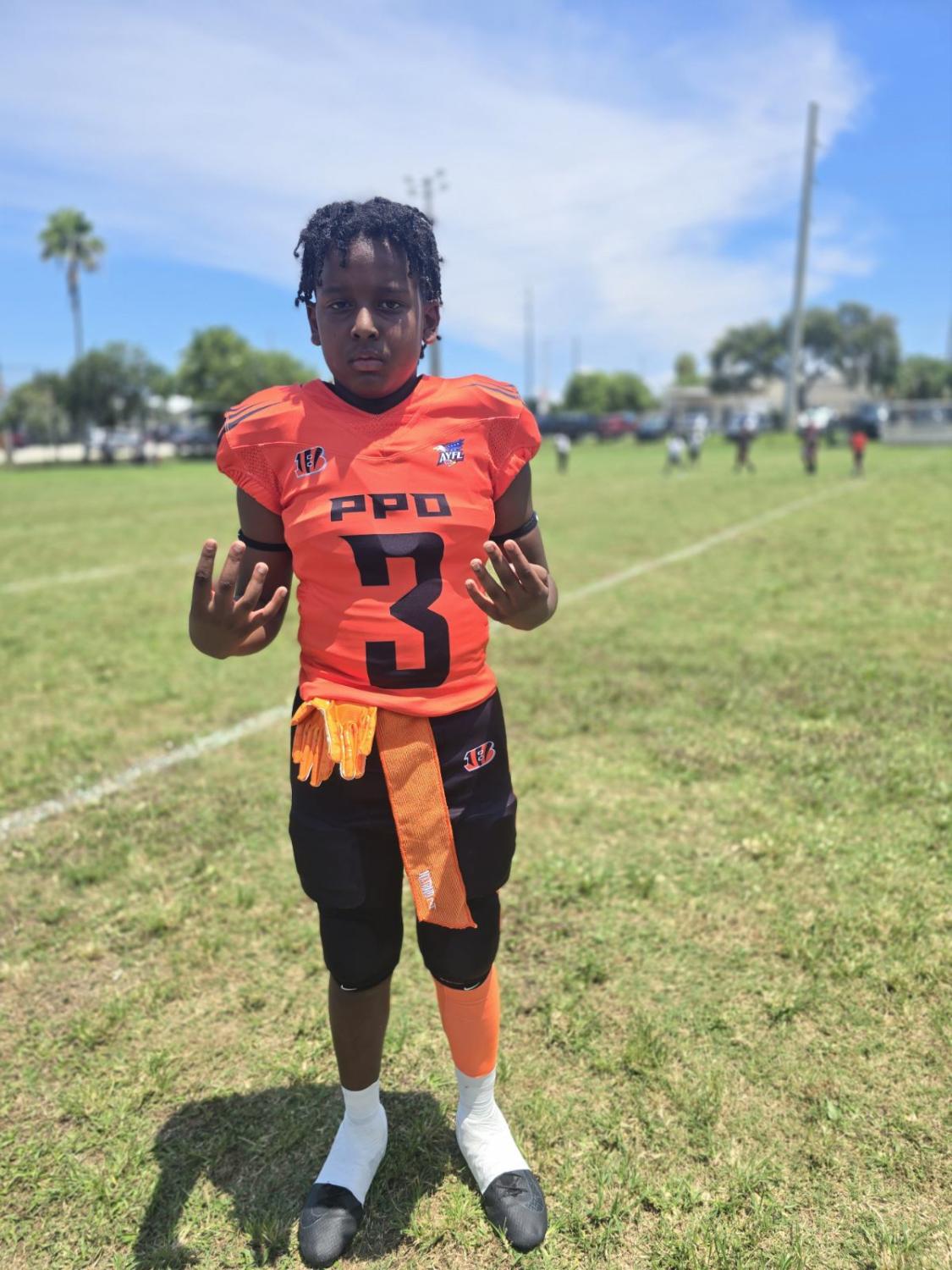
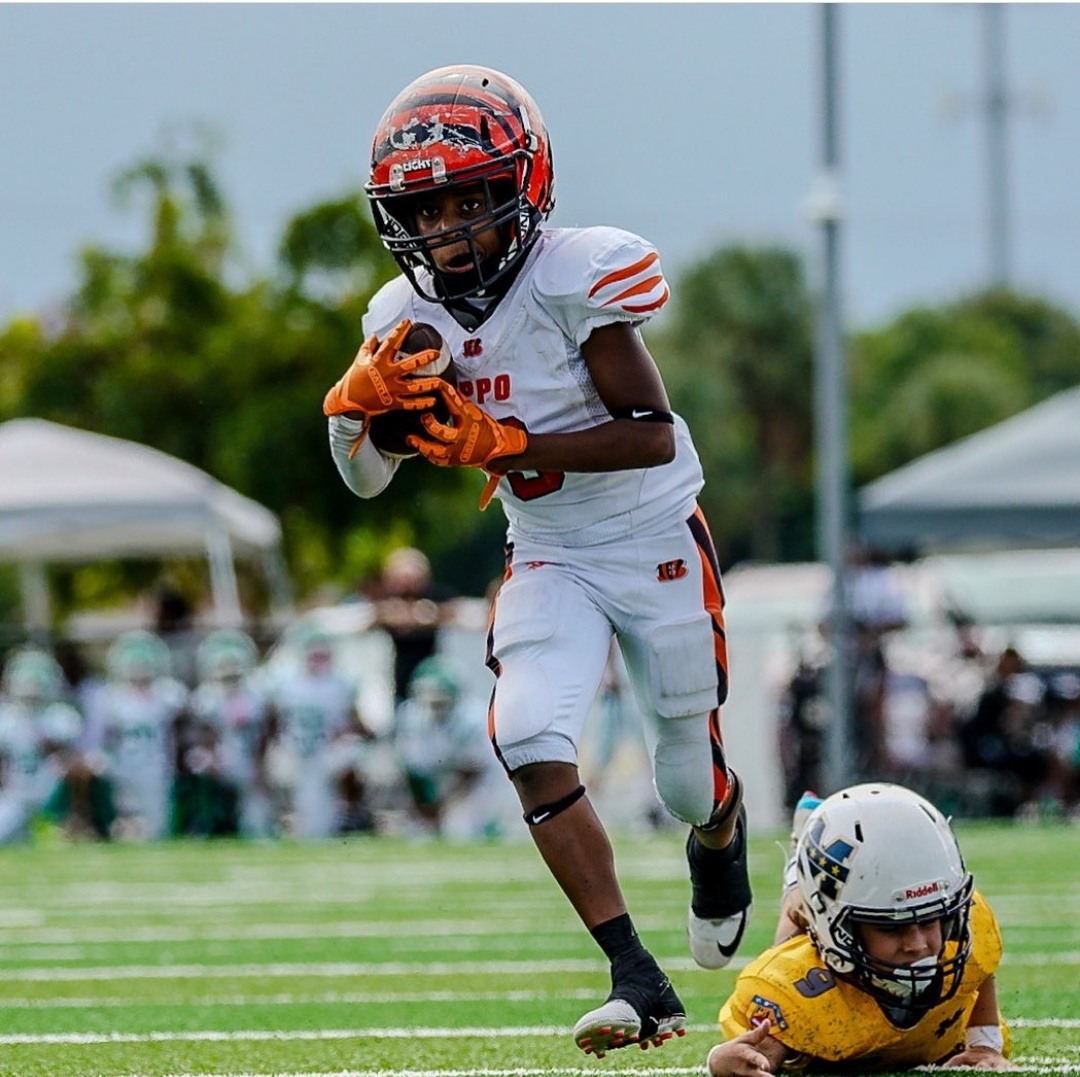
Mason Jones doesn’t walk onto the field like he owns it. He walks on like he’s earned it.
That’s not by accident.
In an age of over-scheduling and hyper-curated youth development, Mason’s path has been anything but polished. His father, Coach Jones, had every opportunity to control the journey. But instead of building a brand, he built a boy.
“Every dad wants to see their kid succeed,” Coach Jones says. “But real growth comes when they learn to succeed without you holding their hand.”
Mason didn’t grow up tied to one team, one coach, or one system. He bounced between parks. Faced new kids. Heard different voices. And learned to adapt. Some days he was the alpha; others, he was fighting just to get reps. And that’s exactly the point.
“I didn’t want him to just be the best player on my team,” Jones says. “I wanted him to be the kind of player that could walk into any situation and compete.”
That meant discomfort. That meant growing pains. But it also meant independence—learning how to communicate, how to lead, how to adjust. Mason didn’t just develop skills. He developed presence.
“He wasn’t always the biggest or fastest,” Jones admits, “but mentally, he was different. That comes from reps off the radar. From figuring it out when no one’s handing you the answers.”
The decision to step back wasn’t easy. For a football-minded father, letting your kid navigate without a constant whistle in their ear feels unnatural. But what emerged was something far more valuable than raw athleticism: authentic confidence.
“I let the world coach him,” Jones says. “I let other kids challenge him. And he found his way. That’s when I knew—he’s not just a product of me. He’s a product of the grind.”
Now, Mason isn’t just a promising young athlete—he’s a reflection of what happens when parenting and patience intersect. His game speaks. His leadership shows. And his journey? It’s just getting started.
So while the scoreboard might tell one part of the story, the real win happened long before kickoff: A father let go—and a competitor was born.